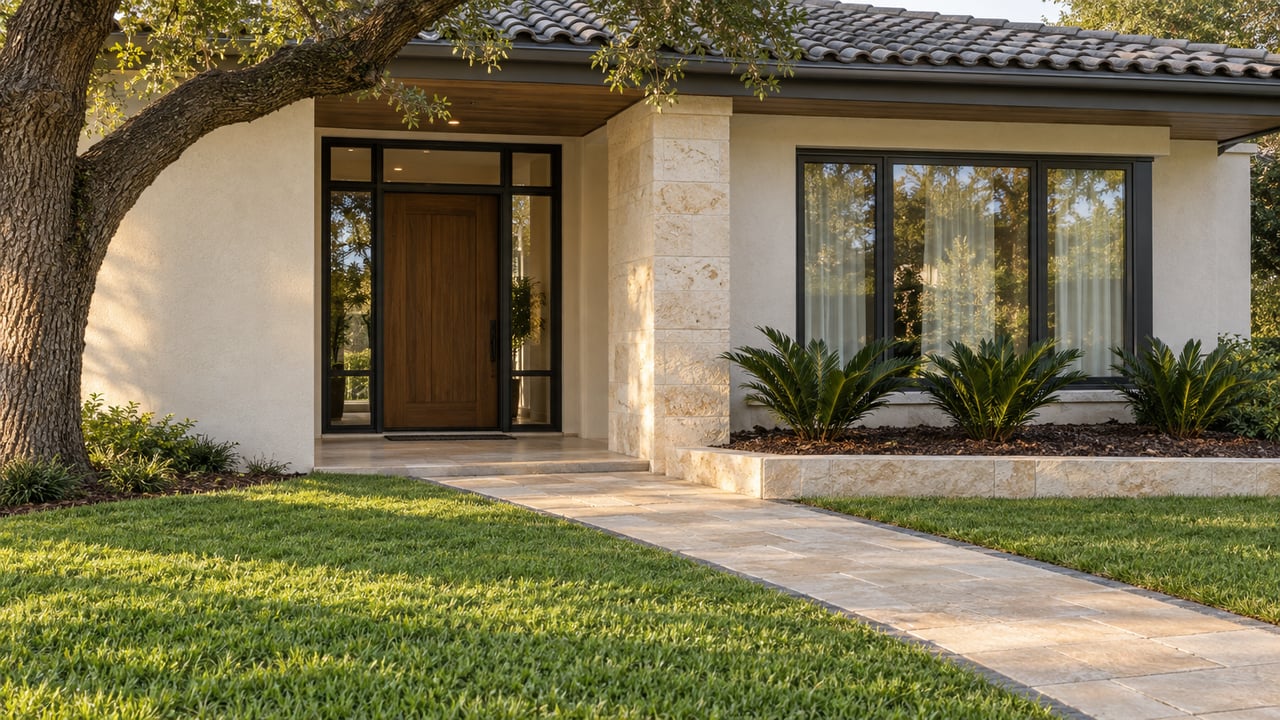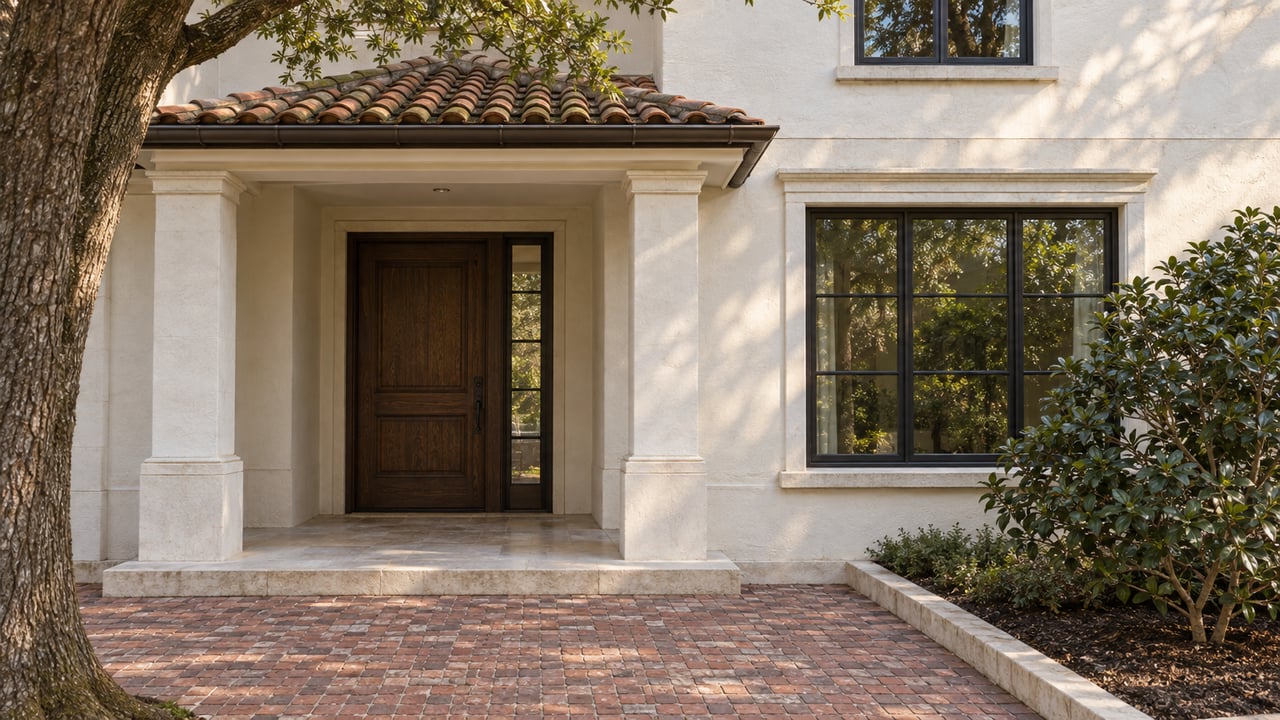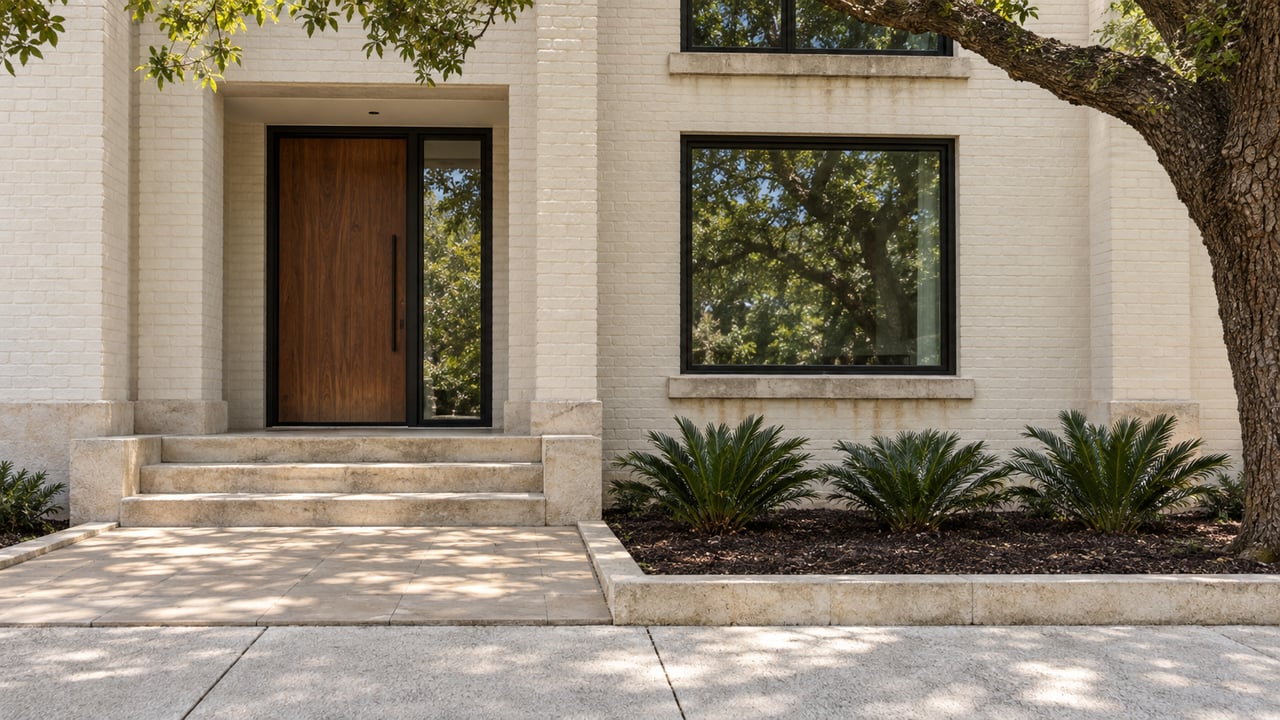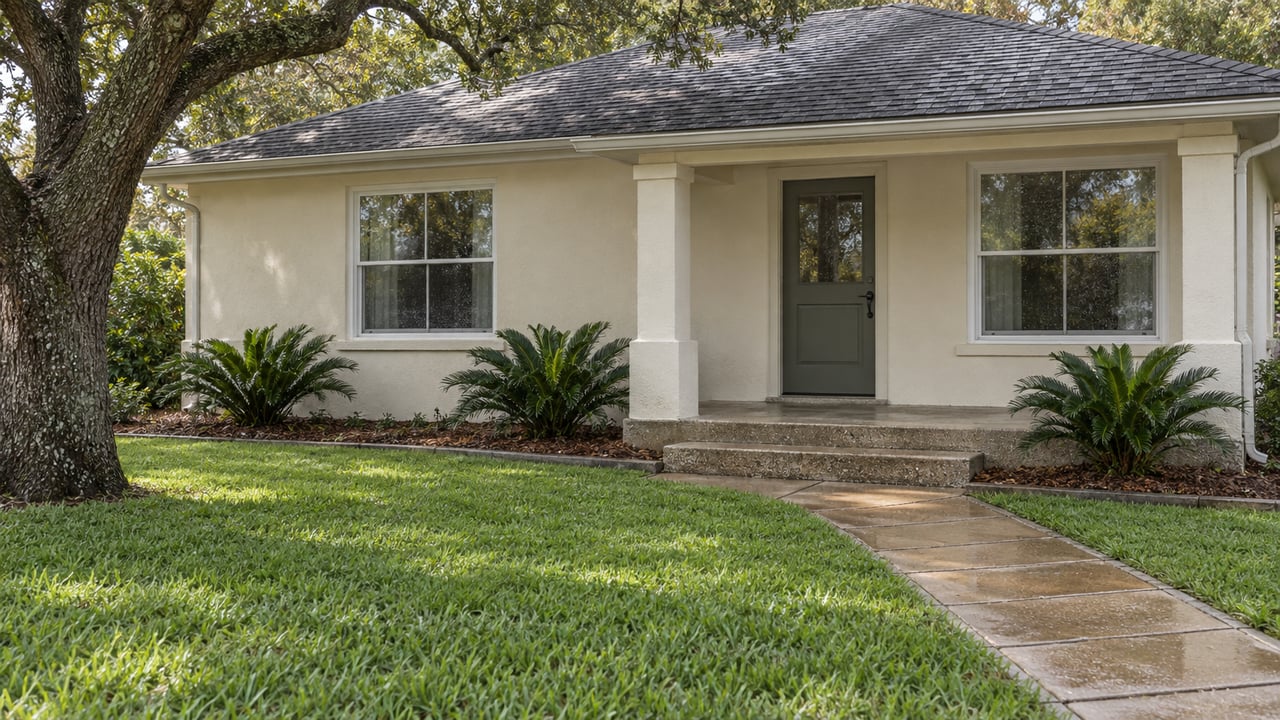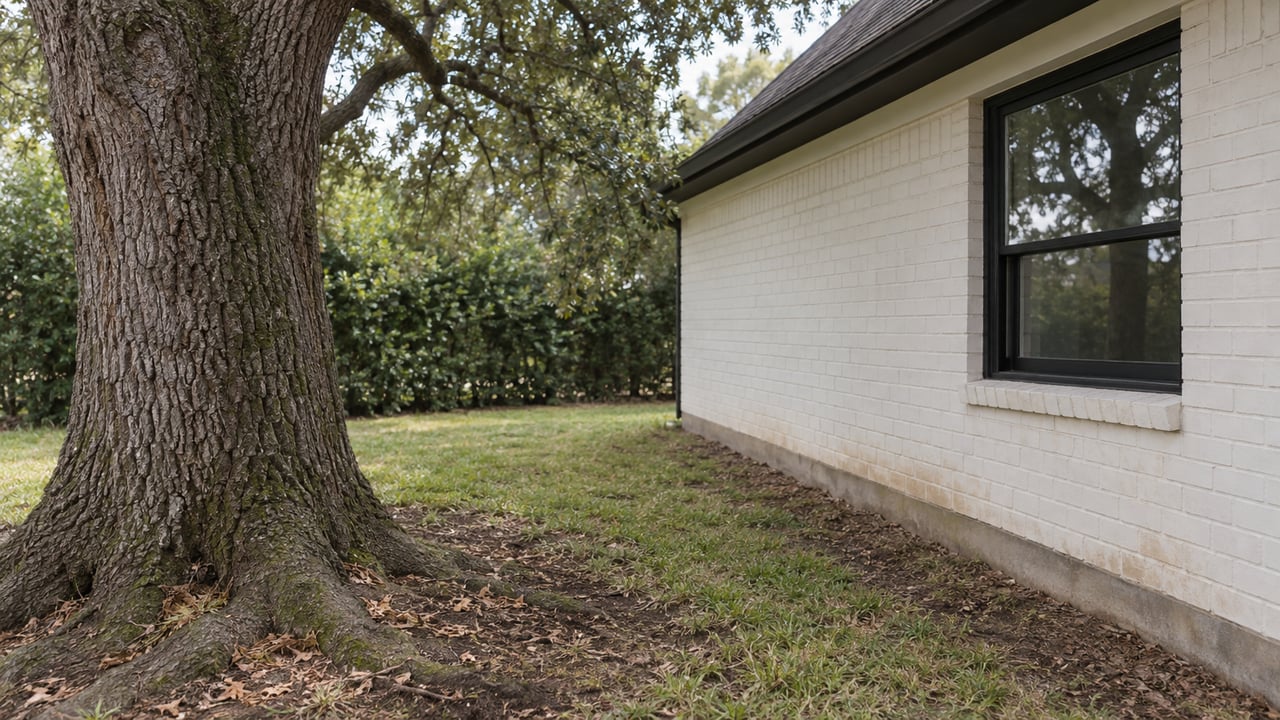
What actually decides whether a College Park addition sails through permitting or stalls for months? Not the architect's drawings. A tape measure, wrapped around a live oak trunk at four and a half feet off the ground.
That measurement is Diameter at Breast Height, or DBH, and in the City of Orlando it draws a hard line at 30 inches. Cross it, and a native tree like a live oak or bald cypress becomes a protected Grand Tree. Stay under it, and the same species on the same lot carries none of that weight. College Park sits entirely inside Orlando's city limits, which means every bungalow on Edgewater Drive, every cottage tucked between Lake Ivanhoe and Lake Adair, and every 1920s-to-1940s home in between is subject to this exact threshold. Given how old the neighborhood's canopy is, a lot of those trees already cleared 30 inches decades ago without anyone applying a label to them.
That is the piece of the picture most renovation budgets miss. The tree was there before the ordinance, before the current owner, often before the house next door. Nobody designated it. It simply grew past the line.
Why College Park's Rules Aren't the Same as Winter Park's
Homeowners who cross-shop College Park against Winter Park sometimes assume tree protection works the same way in both places. It doesn't, and the difference matters if a renovation or a lot purchase is on the table in either market.
| Jurisdiction | What triggers protection |
|---|---|
| City of Orlando (College Park) | Native trees, generally 30-inch DBH, classified as Grand Trees |
| Winter Park | Napoleon Tree Service describes Winter Park as having some of the strictest tree-protection rules in the state |
| Winter Garden and Longwood | Trees over roughly 12-inch DBH often require permits |
College Park's canopy is old enough that the distinction rarely helps in practice. A live oak that has been shading a brick lane since the Truman administration is almost never going to measure under 30 inches.
What Happens Once the Tape Measure Clears the Line
Removal is the obvious trigger, and it comes with real cost. The City of Orlando rarely allows a Grand Tree to come down without mitigation, which usually means planting replacement trees to account for the lost canopy, sometimes at a ratio as steep as three or five new trees for one particularly old specimen. Elsewhere in the city's tree-dense historic pockets, Tree Amigos Orlando reports that unpermitted removals can draw violation fines as high as $15,000.
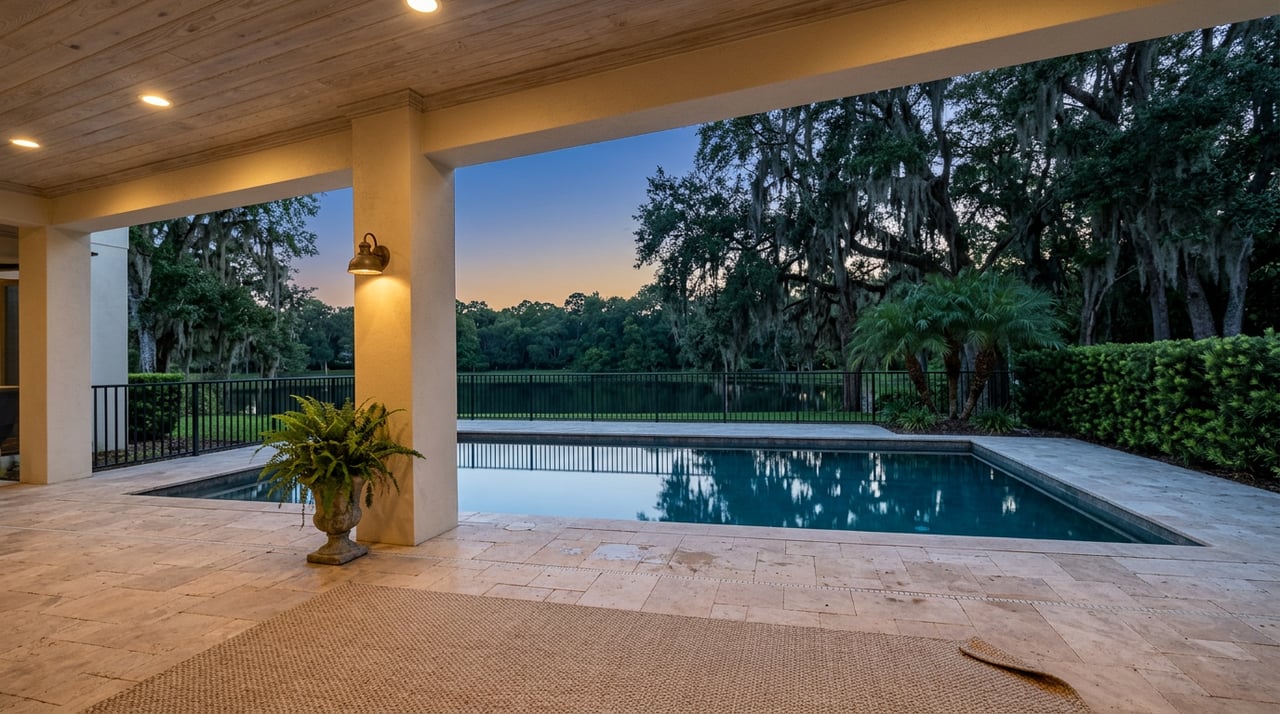
The part that catches more renovation projects off guard is the second trigger built into the same permit. The City of Orlando's process is officially titled a Tree Removal or Encroachment Permit, and encroachment covers construction activity inside a protected tree's critical root zone, whether or not a single limb gets cut. A pool shell excavated too close to the trunk, a footing poured for a primary-suite addition, a driveway widened toward the setback: any of these can trigger the same review as an outright removal, because the concern is root damage, not just a chainsaw.
For a College Park lot, where 1920s and 1930s houses often sit close to mature oaks that were already established when the neighborhood was platted, this is the scenario that actually shows up. The tree stays standing. The addition still needs a permit.
When the Hazardous-Tree Exemption Applies
There is a real way around the process, and it has nothing to do with property lines or lot size. Florida Statute 163.045, revised for 2026, prohibits a local government from requiring a permit, application, or fee to remove a tree on residential property if an ISA Certified Arborist documents that the tree poses an unacceptable risk. When that documentation exists, the city's Grand Tree review does not apply.
The exemption is narrow by design. It covers genuinely hazardous trees, not a healthy grand oak that happens to sit where a pool contractor wants to dig. An arborist's report has to establish actual risk, not convenience.
Orlando's canopy gives that exemption real relevance right now. Arborists working the area have flagged a citywide pattern of Laurel Oaks reaching the end of their typical lifespan and failing from internal decay that is not visible without a trained inspection. College Park's streets carry both live oaks and laurel oaks among the trees "that have been shading Edgewater Drive and the surrounding streets for generations." When a tree in that mix shows dead wood, a lean, or hollow sections, an arborist assessment done before a renovation starts is often the faster and cheaper path than a standard permit application, provided the tree actually qualifies.
What This Means If You're Adding, Selling, or Buying
The order of operations matters more than most renovation checklists suggest. Before a site plan gets finalized, before a contractor's bid gets treated as real, the trees on the lot need to be measured and mapped against the proposed footprint.
A short list worth working through before drawings go to a contractor:
- Measure DBH at 4.5 feet on any oak, cypress, or other native tree near the proposed work
- Map the critical root zone against the footprint, not just the canopy line, since encroachment permits are triggered by root proximity
- If a tree shows dead limbs, cracking, or a pronounced lean, get an ISA Certified Arborist's risk assessment before assuming a full removal permit is required
- Build permit review and any required mitigation planting into the project timeline before committing to a completion date, whether that date is for a contractor, a construction loan, or a buyer
Sellers preparing a College Park listing face a version of this too. A pre-listing pool installation or addition that runs into an unexpected encroachment review can push a project past a target listing date. Buyers under contract with renovation plans should raise the tree question during due diligence rather than after closing, especially on lots where a mature oak sits between the house and the setback line.
It is worth separating this from a different kind of paperwork College Park properties sometimes carry. Some homes in the neighborhood fall under historic review tied to the structure itself, a system covered in a closer look at how College Park is regulated as a historic area. Tree protection and historic designation are different reviews with different triggers, and a single renovation project can touch both if the scope includes exterior changes near a protected tree on a home with historic status.
A Short FAQ
Does the permit only apply if I want to cut the tree down? No. The City of Orlando's permit covers both removal and encroachment, meaning construction inside a Grand Tree's root zone can trigger the same review even if the tree itself is never touched.
Can I remove a dangerous tree without waiting on the city? Florida Statute 163.045 allows exactly that, but only with documentation from an ISA Certified Arborist establishing the tree as an unacceptable risk. Without that report, the standard permit process applies.
Does historic district status change any of this? Historic review and Grand Tree protection are separate systems. A College Park property with historic status may need both a structural review and a tree permit for the same project, depending on what the renovation touches.
The measurement matters more than the material list, the contractor's timeline, or the square footage being added. Get the tape measure out before the plans get drawn.
If you're weighing a renovation, an addition, or a sale on a College Park lot with a mature oak in the mix, the Gordy Singh & Nick Lally Team can walk through what the tree means for your timeline before it becomes a surprise in the middle of a project.
This article is general information, not legal, tax or financial advice. Consult a qualified professional about your situation.